

The Issue of Colorism in the Haitian Music Industry
When King Kino made the statement that the Haitian media caters more to artists of lighter hues than to those of darker complexions, some dismissed his claim as absurd and baseless. However, many others shared his sentiment but were less vocal about it.
Over the years, I’ve spoken to several artists who have expressed their feelings on this issue. Some believe that no matter how good a product they release, if they are not light-skinned or don’t have light-skinned members in their band, they will not receive the same accolades as their lighter-skinned counterparts.
Initially, I challenged this notion and pointed to Nu-Look as an example. Nu-Look is a very successful band with key players who are dark-skinned, so how did they manage to succeed in the business? One artist told me that despite Nu-Look’s exceptional talent, they still can’t play in certain areas. He mentioned that if you go to a Nu-Look party, you will mostly see dark-skinned people, whereas a T-Vice party attracts a mixed crowd. This observation led me to question why bands like New York All-Stars and 509 didn’t achieve similar success.
At first, I thought these musicians might be exaggerating or making excuses for their shortcomings. However, a conversation with two artists gave me a reality check. One artist was advising the other on a new band he was working with. When asked for my opinion, I suggested focusing on marketing and ensuring the product was top-notch. To my surprise, the other artist advised getting a light-skinned singer to front the band, regardless of talent. I was shocked, especially since this statement came from an artist of lighter complexion.
This conversation made me pay more attention to the issue. During a recent trip to Florida, I noticed that several artists I hadn’t seen in a while appeared two shades lighter than I remembered. Ironically, one of them was the same artist who had been advised to include a light-skinned singer.
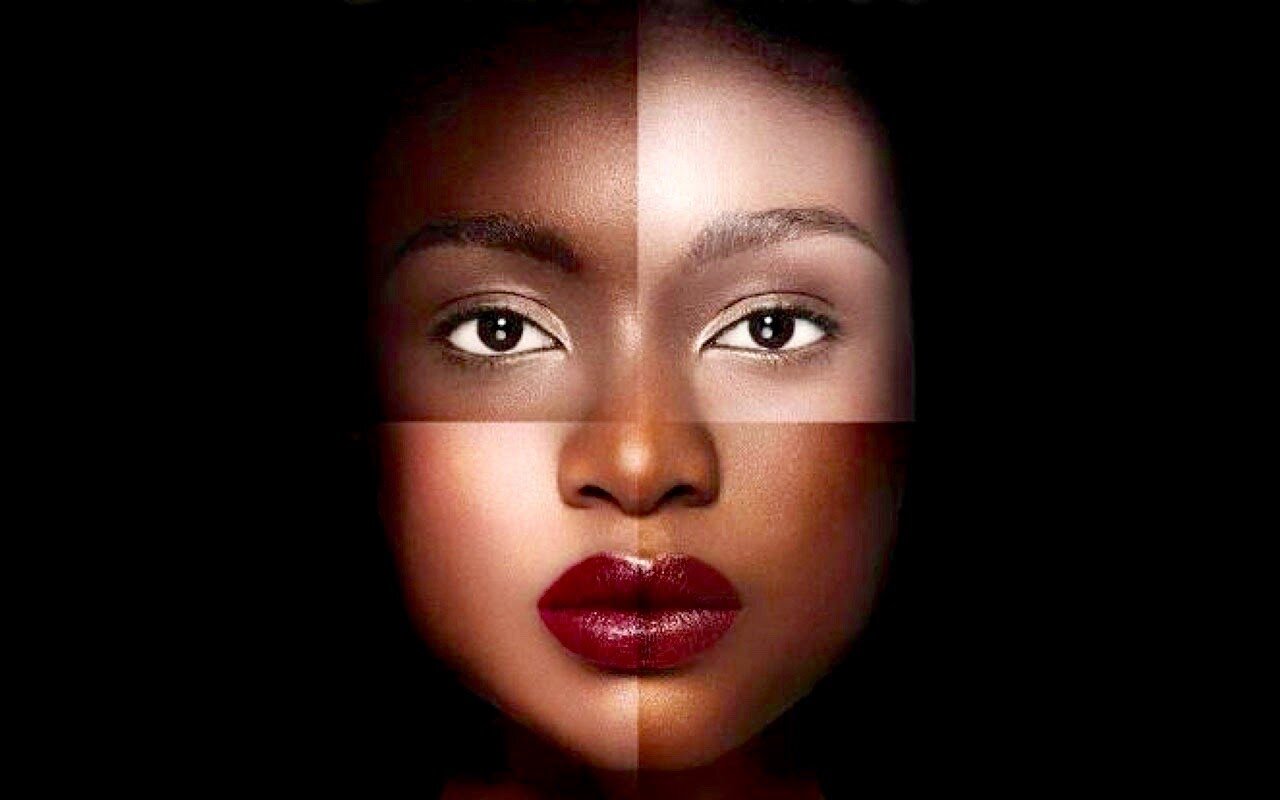
So, whose fault is this? Why do dark-skinned artists feel compelled to take such desperate measures to be accepted in the industry? Artists are victims of colorism, a belief that lighter skin is associated with positive attributes like beauty, wealth, and talent, while darker skin is often unfairly linked to negative traits like ugliness, poverty, and laziness.
King Kino was right; the media plays a significant role in shaping these standards. However, the blame doesn’t solely lie with the media. Peers, family members, and fans also promote these biases. The notion that “sex sells” has become an epidemic in our society, where looks are prioritized over talent, and sometimes talent isn’t even necessary.
One of the most alarming consequences of this colorism is the rising trend of skin bleaching among artists and the broader population. Skin bleaching, a practice involving the use of chemical substances to lighten the skin, poses severe health risks, including skin cancer, liver damage, and severe dermatological issues.
It also perpetuates harmful stereotypes and reinforces the notion that lighter skin is inherently more desirable. This practice not only endangers the physical health of individuals but also contributes to a culture of self-rejection and diminished self-esteem among those who feel pressured to conform to these damaging beauty standards.
This subject, revisited time and again, still makes many uncomfortable. Some would rather sweep it under the rug. But how do we change a system that has been ingrained in our society for centuries? It must start with the artists themselves, who feel the need to alter their appearance to be more appealing. People might accept you more if you accept yourself first. For those who think this issue is exaggerated or nonexistent, they should consider the experiences of these artists to understand their role in perpetuating this problem.
-Cheyna Pierre for Opamusic.com
(C)Copyright 2015
